
We’re Now Offering Pelvic Floor Physiotherapy!
Have you been experiencing pain or discomfort in your pelvic region? Are your daily activities being disrupted by pelvic pain? Have you recently given birth or are currently pregnant? At Anatomy Physiotherapy Clinic, we understand how difficult and uncomfortable it can be to manage pelvic pain.
If you’re searching for relief, know that pelvic floor physiotherapy can help relieve symptoms of pelvic dysfunction and improve muscular strength! Pelvic floor rehabilitation aims to alleviate current pain while preventing it from recurring or worsening in the future.
To find relief, request an appointment with Anatomy Physiotherapy Clinic today. Our team of experts is looking forward to helping you reclaim your life!
Introducing our new specialist, Yara
Anatomy Physiotherapy Clinic is excited to announce a new addition to our team, Yara Harb! Yara is a Registered Physiotherapist who completed her Bachelors of Science with a Specialization in Biochemistry in 2009 and her Masters of Health Science in Physiotherapy in 2012 at the University of Ottawa. After graduating, Yara has gained experience in Pelvic Floor Rehabilitation as she has completed various courses on managing Urinary Incontinence, Diastasis Recti, Pregnancy and Pelvic Girdle Pain.

Yara is committed to providing the best quality care to her patients and is truly invested in each individual’s recovery. When you come to our clinic for pelvic floor physiotherapy, you can trust in Yara’s capable hands. You’ll be greeted with empathy and compassion as she works to resolve your pain and discomfort.
What to expect in a session
During your Pelvic Floor Therapy session you can expect a thorough subjective assessment of your symptoms. This will be followed by an objective assessment of mobility, flexibility and strength of the pelvic floor musculature and the surrounding areas (lower back, hips, abdomen, diaphragm).
This part of the assessment will utilize visual observation and a digital intravaginal and intrarectal assessment (provided informed consent is given by the patient). The assessment will also include a biomechanical assessment of the surrounding joints.
How are pelvic health issues treated?
Pelvic Floor Physiotherapists utilize a tool box of exercises that target the Pelvic Floor Muscles strength (Kegels) and tension, breathing exercises and core strength. They also provide valuable information on lifestyle modification and education on the nature of your pathology.
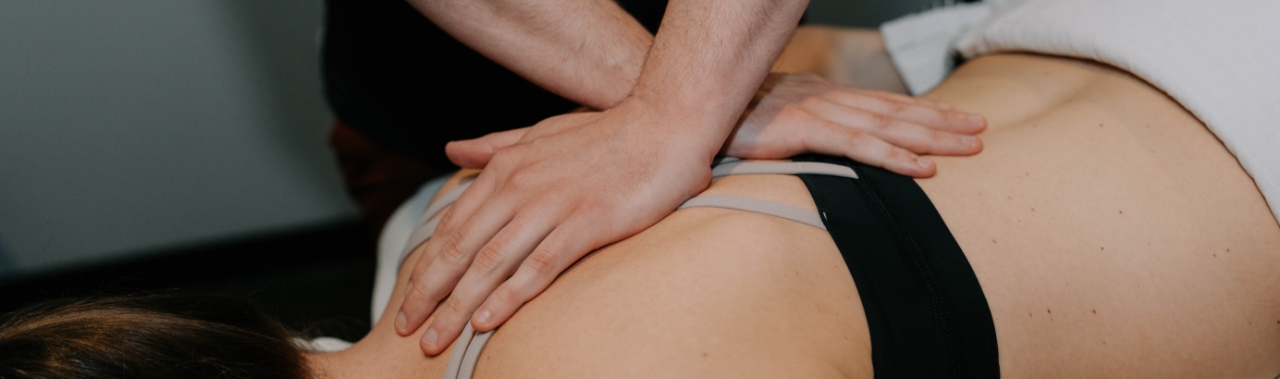
They also use hands-on techniques, such as intravaginal and intrarectal soft tissue release, joint mobilization and stretches to decrease and improve your symptoms.
More common techniques used during pelvic floor rehabilitation include:
- Ultrasound therapy. This kind of therapy focuses on using soothing heat for relief in the affected pelvic region. It’s a safe and effective way to relax tight muscles and tissue.
- Diaphragmatic breathing. Your physical therapist can teach you how to practice deep breathing exercises. These will allow your diaphragm to expand and contract properly, which helps relax muscles in the pelvic area. Relaxed muscles will drop and lengthen, providing simple pain relief. You can also do these breathing exercises at home.
- Relaxation techniques. Physical therapy also focuses on relaxing! Relaxing your muscles allows them to ease tension, making it easier to stretch and massage them later. It’s not always easy to relax on command, though, so your physical therapist may suggest specific relaxation techniques, such as guided imagery or biofeedback, to assist you with the process.
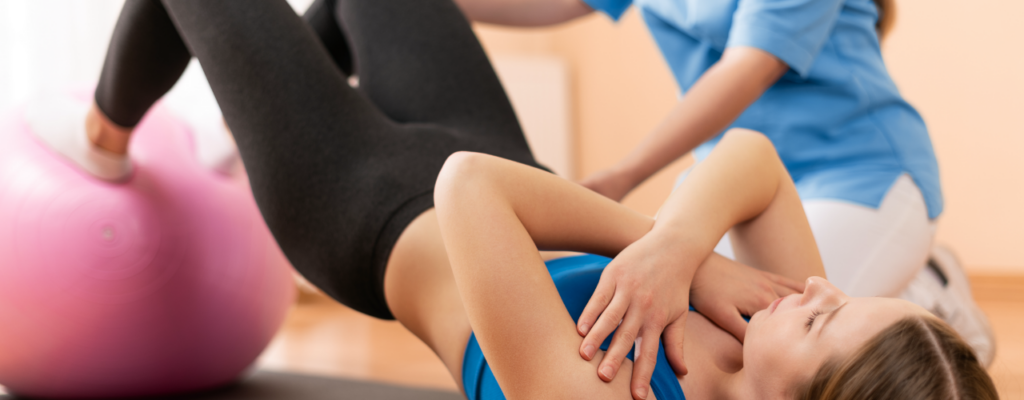
- Postural exercises. These specific types of activities aim to refine and strengthen the pelvic floor muscles that affect posture. These exercises are typically done with large medicine balls.
What is internal pelvic health?
Pelvic Floor Rehabilitation is a subspecialty in Physiotherapy that aims to help people improve their urinary, bowel and sexual function by addressing the pelvic floor musculature. Your Pelvic Floor therapist will assess the strength and tension of the pelvic floor muscles and the surrounding musculature of the abdominal canister.
If the function of the pelvic floor is not optimal, people may complain of symptoms of Urinary or Fecal Incontinence, increased frequency/urgency and retention (inability to void), pelvic pressure as a result of Pelvic Organ Prolapse, Pelvic Girdle Pain, Coccydynia (tailbone pain) or Dyspareunia (pain with intercourse).
Pelvic Floor Physiotherapists can also play a crucial role in Pregnancy Related Pelvic Girdle Pain and Diastasis Rectus Abdominus (separation in the abdominal muscle) and have extensive training in antenatal and postpartum care.
Contact Anatomy Physiotherapy Clinic to get started!
Are you experiencing a women’s health issue that is limiting your independence or lowering your quality of life? Anatomy Physiotherapy Clinic is here to support you! Our licensed therapist has the resources needed to help accelerate your recovery and return you to the life you love.
Don’t allow pain or discomfort to run your life. Contact our physiotherapy clinic today to get started on your journey towards relief.